Water Damage Restoration Monroe Township, NJ
24/7 water damage restoration in Monroe Township, NJ. The restoration team extracts standing water, dries the structure to the IICRC S500 standard and documents every step for your insurance claim.
(888) 471-9821Basement taking on water? Call now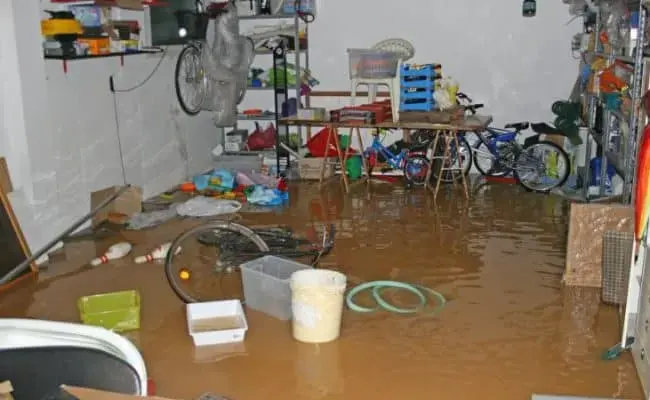
What to do while the water is still moving
Five quick moves keep a leak or a flooded basement from spreading before the extraction crew starts.
- Step 1
Close the main
The shutoff usually sits where the water pipe enters the basement or utility room.
- Step 2
Cut wet circuits
Switch off breakers for flooded rooms, only if the panel itself is dry.
- Step 3
Keep out of the water
Stay clear of standing water near outlets, cords, the furnace and the water heater.
- Step 4
Take photos first
Wide shots and close-ups of every wet room before anything gets moved.
- Step 5
Lift, then call
Boxes, rugs and electronics off the basement floor, then make the call.
The 24 to 48 hour window: wet drywall, carpet pad and framing can start growing mold within a day or two, so a dry-out that begins early saves the most material.
Water Damage Restoration Services in Monroe Township, NJ
Monroe Township Water Damage Restoration covers fourteen water damage services shaped around how water gets into township homes, from dead sump pumps and January freeze-ups to nor'easter runoff.
 Emergency Water ExtractionTruck-mounted pumps pull standing water from carpet, slab and basement floors before it wicks into the walls.See the service
 Basement Flooding CleanupFinished and unfinished basements pumped out, wet drywall cut back and the block walls and slab dried.See the service
 Sump Pump Failure CleanupA dead pump, a stuck float or a long power outage, cleaned up and dried to the slab.See the service
 Frozen Pipe Water DamagePipes that split in garages, outside walls and crawl spaces during a January cold snap.See the service
 Burst Pipe Water DamageFittings, valves and aging supply pipe that fail under pressure, the wet cavities opened and dried.See the service
 Storm and Flood Water CleanupNor'easter and tropical storm water treated as contaminated, mucked out and dried.See the service
 Roof Leak Water DamageIce dams and wind-lifted shingles that soak attic insulation and the ceilings under them.See the service
 Ceiling Leak Water DamageTub, toilet and upstairs supply leaks that show up as a stain or a sag overhead.See the service
 Water Heater Leak CleanupTanks that rust through in the basement, garage or utility closet, extracted fast.See the service
 Appliance and Supply Hose LeaksWasher hoses, dishwashers, ice makers and toilet supplies that let go while no one is home.See the service
 Hardwood Floor Water DamageOak and engineered floors dried in place with panel mats when the readings allow it.See the service
 Sewage Backup CleanupFloor drain, toilet and sewer lateral backups handled as Category 3 from the start.See the service
 Structural Drying and DehumidificationLGR dehumidifiers and air movers until block, framing and subfloor reach the dry goal.See the service
 Commercial Water DamageOffices, shops, clubhouses and warehouses dried in phases so the doors stay open.See the service
Water damage dried to the IICRC S500 standard
A finished dry-out and a cosmetic one differ in the order of the work. The tech who does the walkthrough maps moisture before any equipment goes down, so the drying plan follows the water and not the stain.
- Level 1
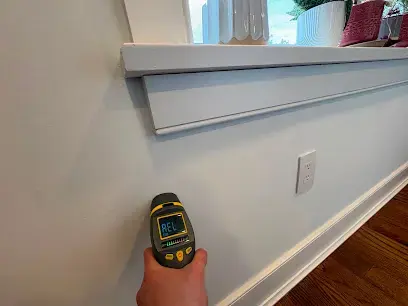
Moisture mapping
Thermal imaging and pinless meters trace water under baseboards, behind finished basement walls and across the slab.
- Level 2
Extraction
The extraction crew pulls standing water with truck-mounted pumps so it leaves the house instead of moving to the next room.
- Level 3
Air movers and LGR dehumidifiers
Equipment is sized to each room's evaporation load; desiccants take on dense Class 4 materials.
- Level 4
Daily readings
The drying team logs temperature, humidity and material readings each day and moves equipment as areas dry.
- Level 5
Dry verification
Equipment leaves when wet materials read within 2 to 4 points of a dry reference in the same house.
All water damage categories covered in Monroe Township, NJ
Category 1, 2 and 3 water are handled differently, and the category decides what can be dried and what has to come out.
Clean water
Burst supply pipes, frozen pipes and water heaters. Extracted and dried in place when drying starts early.
Burst pipe water damageGray water
Washer and dishwasher discharge and sump overflow that sat. Cleaned with an antimicrobial before drying.
Sump pump failure cleanupBlack water
Sewage and outside flood water from brooks and storm runoff. Porous materials it touched are removed, not dried.
Sewage backup cleanupWhat each Monroe Township water loss gets
Every job runs on the same four habits, whether the water came from a split pipe in Rossmoor or a dead sump pump in Applegarth.
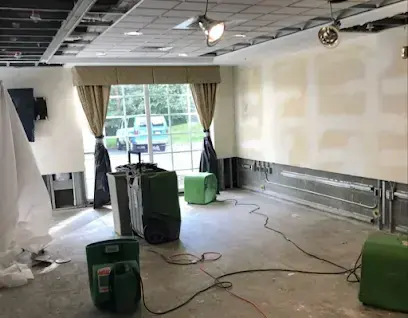
Rapid local response
Active water is treated as urgent around the clock, with 24/7 dispatch on nights, weekends and holidays.
IICRC S500 drying standard
Category and class are set first, then equipment is sized to the loss and verified with readings.
Claim-ready documentation
Moisture maps, daily psychrometric logs and timestamped photos taken before anything is torn out.
Local water know-how
Basements with sump pits, slab homes in the adult communities and pipes in cold garages each fail in their own way.
How long drying takes, and what dry means
- A contained loss usually dries in three to five days once extraction is done.
- Basement slabs, block walls and hardwood take longer because water has to travel through dense material.
- Equipment leaves on readings, not a calendar: the target is the dry reference, not a date.
What does water damage restoration cost in Monroe Township, NJ?
In Monroe Township, NJ, water damage restoration typically runs $700 to $8,000, set by the water category, the square footage, the materials and how fast drying started. Large basement floods and sewage losses can pass $20,000.
- Clean water, caught early
- Extraction and air movers
- Daily moisture readings
- Flood cuts and carpet out
- LGR dehumidifiers
- Slab and block wall drying
- Sewage or flood water
- Removal and antimicrobial
- Extended drying
Treat these as typical ranges, not a quote. The water damage cost calculator gives a closer planning range for your own rooms.
Documentation for your insurance claim
A water claim is decided on the file. A complete file from the restoration team carries:
- The moisture map from day one, showing what was wet and how wet
- Daily psychrometric logs and material readings up to the drying goal
- Timestamped photos taken before any demolition
- The category and class of the loss
- A line-item scope in the Xactimate-style format adjusters expect
What a water damage dry-out looks like in Monroe Township
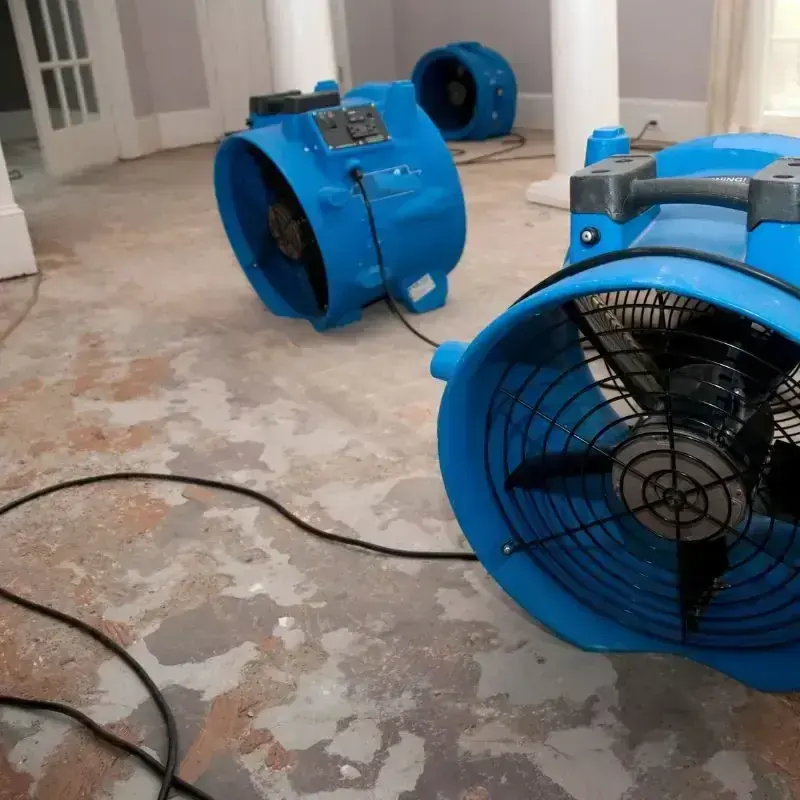
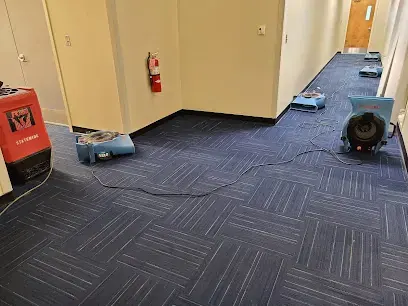
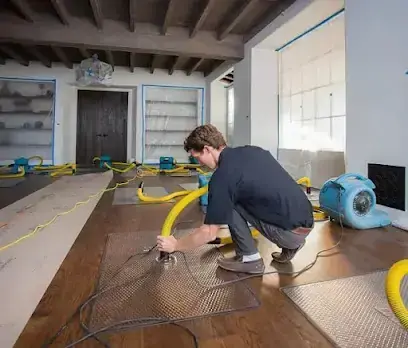
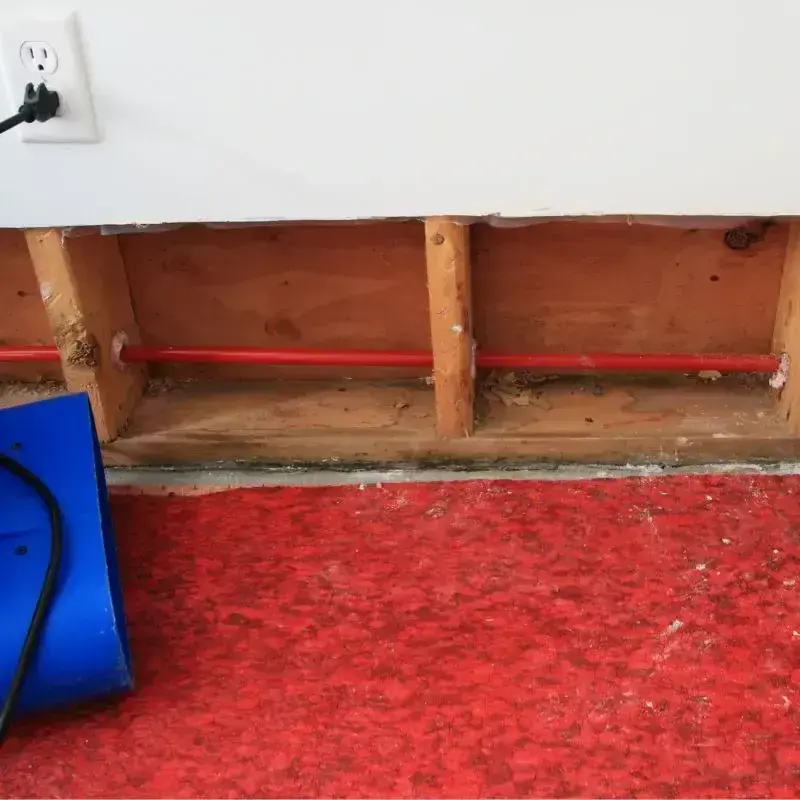
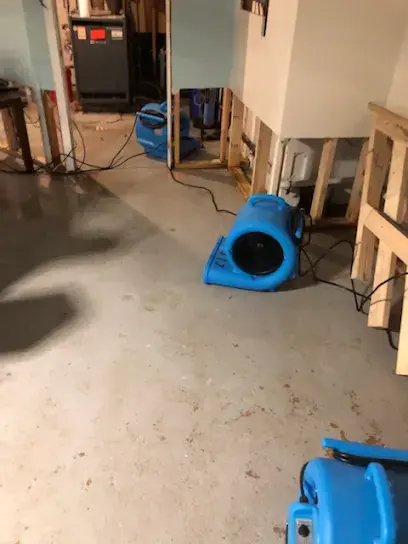
Water damage restoration across Monroe Township, NJ
Communities and corridors
ZIP code
Nearby towns
One call reaches Monroe Township water damage pros, 24/7
From the adult communities off Applegarth Road to the newer streets near Forsgate, the response team covers the whole township at any hour.
Monroe Township Water Damage Restoration also covers Jamesburg, Spotswood, Helmetta and Cranbury, with extraction, drying and the claim file handled the same way.
Monroe Township, NJ · [email protected]
Water damage in Monroe Township, NJ: the local risk profile
Three patterns drive most water losses in the township.
January freeze-ups
Hard cold snaps split pipes in garages, outside walls and crawl spaces, and homes left empty for the winter often go days before anyone sees the water.
Basements and sump pumps
Newer family subdivisions sit on full basements with sump pits. A pump that dies, or a long outage like the ones after Sandy in 2012, floods the lower level fast.
Brooks and heavy storms
Manalapan Brook and Matchaponix Brook drain low ground toward the South River. Nor'easters and storms like Ida in 2021 bring runoff that counts as Category 3.
Monroe Township water damage questions, answered
How fast can someone respond to water damage in Monroe Township?
Active water is treated as urgent at any hour, including nights, weekends and holidays. The extraction crew heads out with pumps, air movers and meters, and the first job is stopping the spread.
What should I do while the water is still spreading?
Close the main shutoff, switch off power to wet rooms if the panel is dry, stay out of standing water near outlets, photograph the damage before moving anything and lift belongings off the floor. Then call.
Is basement water damage covered by insurance?
A sudden discharge such as a split pipe is usually covered after the deductible. Sump pump and sewer backup often needs a separate endorsement, and surface flood water needs a flood policy. Coverage depends on your policy, so check with your own insurer.
What causes most water damage in Monroe Township homes?
Frozen and burst pipes in winter, sump pump failures in basement homes, water heaters and appliance hoses, ice dam roof leaks and, during big storms, runoff and sewer backups.
How long does it take to dry a flooded basement?
A contained loss usually dries in three to five days. Basement slabs, block walls and finished walls take longer. The drying team compares daily readings with a dry reference, and equipment comes out when the numbers say dry.
What is the IICRC S500 standard?
IICRC S500 is the industry standard for professional water damage restoration. It covers how a loss is classified by category and class, how drying is done and how it is verified with readings.
What is the difference between mitigation and repair?
Mitigation stops the damage: extraction, removal of wet materials and drying. Repair, or reconstruction, puts the home back together after the structure is confirmed dry.
When does drywall have to come out?
When it sagged, softened, stayed wet too long or was touched by Category 3 water. Drywall that stayed firm after a clean water leak can often be dried in place.
Why is sewage handled differently?
Sewage is Category 3 from the start. Porous materials it touched are removed, surfaces get an EPA-registered antimicrobial and the work runs with containment and protective gear.
How is the cost of water damage restoration figured?
By the category of water, the square footage, the class of materials, how much has to come out and how many days of drying the readings call for. The cost calculator gives a planning range.
Water in a Monroe Township home? Get the drying started today.
The restoration team extracts the water, dries the structure to the IICRC S500 standard and documents every step for the claim.